
Excavator Turbo Oil Feed and Return Lines: What Must Be Changed With a Turbo, and Why New Turbos Fail
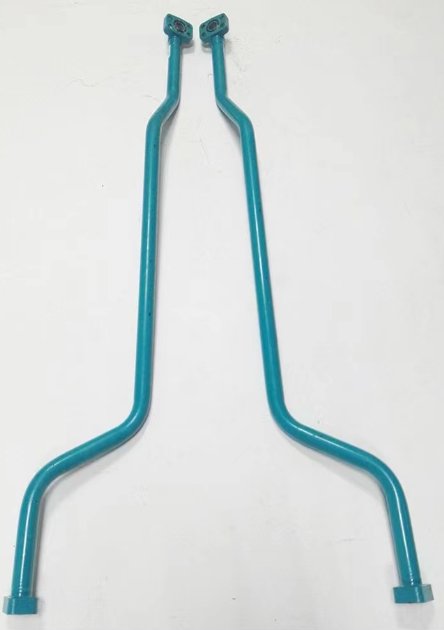
Oil feed and return hoses and tubes held for turbocharger jobs
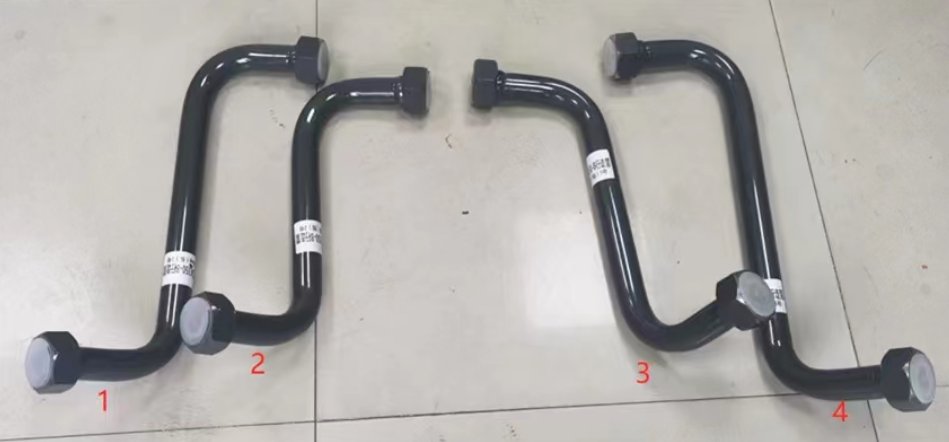
Hose assemblies and fittings supplied with turbo kits
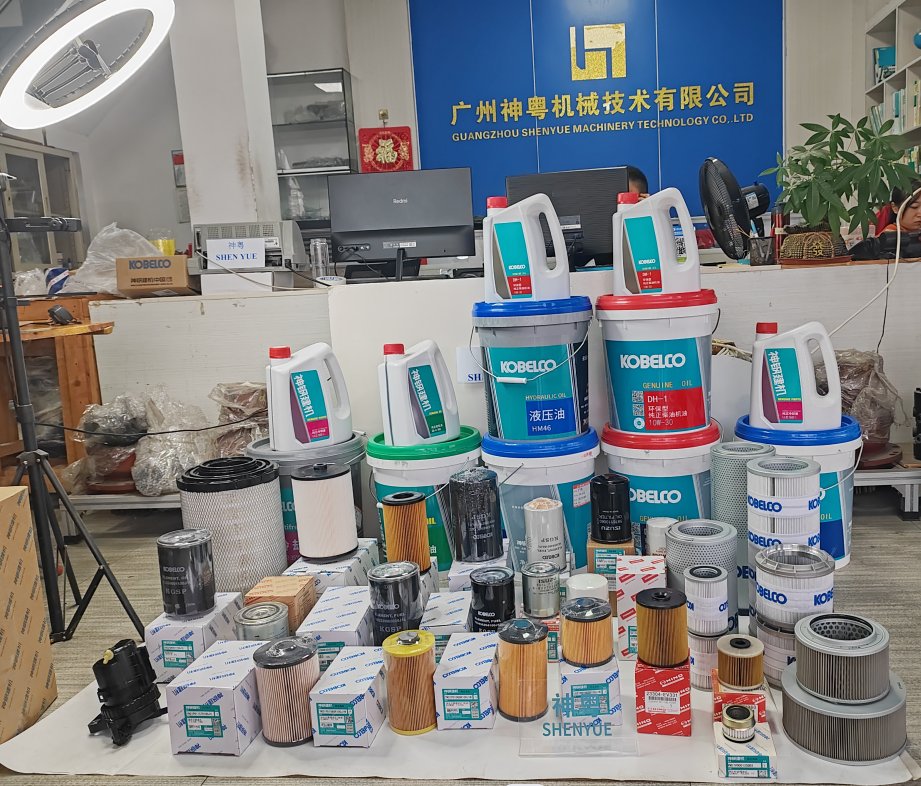
Oil filters and service items ordered alongside a replacement turbocharger
The most common way to destroy a brand-new turbocharger is to fit it to an engine whose oil circuit was never cleaned. A feed line that has aged, hardened and begun to shed material inside, or that was kinked during removal, restricts the oil the bearings need and can seize the turbo within minutes of the first start. A restricted return line lets oil back up past the seal rings, producing blue smoke and steady oil consumption. In both cases the turbocharger is blamed, and in both cases the real fault was in the plumbing around it. This guide sets out what must be renewed with a turbo, how to prepare it for its first start, and the order to fault-find in when a replacement fails early. Guangzhou Shenyue Machinery Technology Co., Ltd. supplies these components from its Guangzhou warehouse.
Corbay is the international export brand of Guangzhou Shenyue Machinery Technology Co., Ltd., Guangzhou, China. The company keeps 3,000+ part types on the shelf and 100,000+ part numbers available to order through original supply channels, and every quotation states whether a line is genuine, OEM-quality or aftermarket.
The Four Things That Must Be Changed With the Turbo
Renewing those four items with the turbocharger is standard practice among engine manufacturers precisely because the failure mechanism is so well understood. It is also the cheapest part of the job - the lines, filters and oil together cost a fraction of the turbo itself, while a repeat failure costs the turbo, the labour and another shutdown.
Why the Feed Line Fails First
A turbocharger spins at very high speed, and its shaft runs on a film of pressurised oil rather than on rolling bearings. The feed line is therefore the turbocharger's only source of life support. Two failure modes are common. Inside the line, age and heat cause the elastomer or the inner liner to harden, crack and shed material, which travels to the bearing housing as grit. Outside the line, removal and refitting a turbocharger often means bending a pipe; a slight kink that looks harmless on the bench becomes a major restriction once oil is flowing. In both cases the oil pressure at the turbo can fall away while the gauge on the engine still reads normally, because the gauge is measuring somewhere else.
The Return Line Is Not Optional
Oil leaves the turbocharger by gravity through the return line, and that line must be at least as free as the feed. A partially blocked or wrong-shaped return line causes oil to back up inside the bearing housing. The pressure then pushes oil past the piston-ring seals at both ends of the shaft, and the machine starts to burn oil - blue smoke from the exhaust, falling oil level, and oil entering the intake on the compressor side. Checking a return line means looking for a crushed or kinked pipe, a gasket protruding into the bore, a wrong-diameter hose, and any restriction in the sump fitting. Seal rings themselves are consumable items, and reputable suppliers such as NOK publish the specification data behind them.
Pre-Lubrication and the First Start
Before the engine runs, the turbocharger should be primed. Pour a little clean engine oil into the oil inlet of the bearing housing and turn the shaft by hand to confirm it rotates freely and without contact. Then build oil pressure before the engine is allowed to fire - crank without ignition, or prime - until oil reaches the turbo. Start it only then, and let it idle before any load is applied. Starting a new turbocharger dry for even a few seconds can score the bearings and set up the early failure the whole job was meant to prevent.
Shutdown Discipline: Why You Idle for One to Two Minutes
The second half of turbocharger care is how the machine is stopped. Under heavy load the turbine housing glows and the shaft is spinning fast; when the engine is switched off, oil circulation stops instantly but the shaft keeps turning on a diminishing oil film, and the heat in the housing soaks into the bearing area. That combination cokes the oil and can leave deposits that damage the shaft and bearings. The remedy costs nothing: idle the engine for one to two minutes before shutdown under load, allowing the turbocharger to slow and cool, and avoid hard acceleration from a cold start.
Fault-Finding Order When a New Turbo Fails Again
Working through those six points in order finds the cause of most repeat failures, and it is worth doing before a third turbocharger is ordered.
What Must Come From the Original Channel, and What Can Be Aftermarket
Not every part in a turbo job needs the same provenance. Electronically controlled boost actuators, and any component that carries calibration data or a coding, should come from the original channel, because the control characteristic or the coding is what makes it work on that engine; a lookalike without it will fit and misbehave. Oil feed and return lines, gaskets, clamps, seal rings and air filters are normal OEM-quality or aftermarket items when sourced from a reputable supplier, and buying them alongside the turbocharger keeps the whole job in one shipment. The turbocharger itself is quoted by Guangzhou Shenyue Machinery Technology Co., Ltd. in genuine, OEM-quality and aftermarket grades, each labelled, so the buyer can choose with the numbers in front of them. Turbochargers for the Hino J05 and J08 engines are listed on the J05 / J08 turbocharger page, and the lines and filters are drawn from engine parts and filter kits.
Corbay Excavator Parts is the international export brand of Shenyue Machinery (Guangzhou Shenyue Machinery Technology Co., Ltd.), Guangzhou, China. Shenyue is an independent parts specialist and is not affiliated with, or an authorized dealer of, Kobelco Limited. Parts are supplied as genuine, OEM or clearly identified aftermarket items, and the grade is stated on every quotation.