
Excavator Cold-Weather Start-Up Parts: Batteries, Pre-Heating, Oil, Coolant and Diesel

Batteries, starters and electrical components for cold-weather starting

Electrical and sensor components supplied for winter service
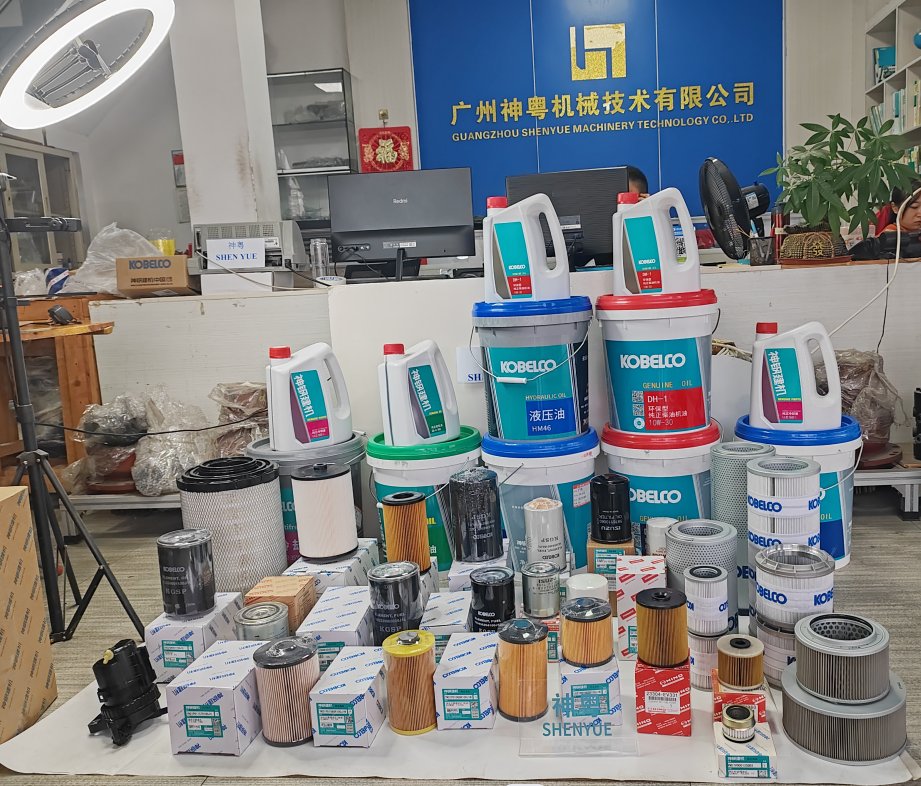
Filters and service items for winter maintenance planning
Most winter breakdowns are ordered months earlier, in a purchasing decision nobody noticed making. A battery that was marginal in autumn fails on the first cold morning, a thermostat that sticks open leaves the machine slow to warm, and diesel that was fine in summer waxes in the filter when the temperature drops. None of those failures is sudden; each one is the predictable result of a part or a fluid that was not reviewed before the season changed. This guide sets out the components and checks that decide whether an excavator starts and works reliably in the cold, and what belongs on the shelf before the first frost. Guangzhou Shenyue Machinery Technology Co., Ltd. supplies them all from one warehouse.
Corbay is the international export brand of Guangzhou Shenyue Machinery Technology Co., Ltd., Guangzhou, China. The warehouse keeps 3,000+ part types on the shelf and 100,000+ part numbers available to order through original supply channels, and every line is quoted as genuine, OEM-quality or aftermarket so that a winter stock list can be built to the budget the fleet actually has.
Batteries: The First Winter Failure
Construction machines typically run 24-volt electrical systems, and cold weather reduces the capacity a battery can deliver while the engine demands more current to turn over. That is why a battery that coped easily in mild weather becomes the reason a machine will not start in winter. Two practical points matter. First, test with a load tester rather than by reading open-circuit voltage, because a battery can show a healthy resting voltage and still fail under cranking load. Second, a discharged battery can freeze, and freezing damages the plates permanently, so a flat battery left in a cold machine may never recover. While checking the battery, inspect the cables, terminals and earth connection as well - a corroded terminal mimics a failing battery exactly, and it costs nothing to clean.
Pre-Heating: Glow Plugs, Intake Heaters and Coolant Heaters
Pre-heating systems exist to make a cold engine easier to start and to reduce wear in the first seconds of running. Glow plugs and intake heaters warm the air or the combustion chamber so that the fuel ignites promptly; a failed glow plug or a dead intake heater makes the engine crank longer, run roughly and smoke on start-up. Coolant heaters, often called block heaters, warm the engine coolant before the machine is started, which improves starting and brings the engine up to working temperature faster. Check that the pre-heating system actually operates, and confirm the control circuit and its timer. The one habit to avoid is bypassing the pre-heat and opening the throttle to force a start: that is exactly the sequence that damages cold components and shortens engine life.
Oil Viscosity and Cold Hydraulics
Oil behaves differently when it is cold, and two fluids deserve attention. Engine oil should be the viscosity grade and specification the manufacturer lists for the climate and the season, changed on the recommended interval; an oil that is too heavy when cold makes starting harder and delays lubrication where it is needed most. Hydraulic oil thickens as the temperature drops, and a machine operated hard from cold can generate pressure spikes before the oil is flowing properly. Those spikes stress hoses, seals and fittings, and a burst hydraulic hose in a cold yard is a familiar winter failure. The routine that prevents it costs only time: start the machine, let it idle to warm the oil, cycle the functions gently, and only then work it normally. The same principle protects the transmission and swing circuits.
The Cooling System: Thermostat, Water Pump and Coolant
A cooling system that is only half prepared tends to fail at the first hard frost, when the repair is most expensive and the machine most needed. Reviewing it in advance is a scheduled task, not an emergency.
Diesel in the Cold: Waxing, Water and Filters
Diesel contains waxes that can crystallise as the temperature falls, thickening the fuel and clogging the filter until the machine loses power or stops. The answer is to select the seasonal diesel grade appropriate to the local climate, in the same way that the oil grade is selected, rather than assuming one grade serves the whole year. Water is the second winter problem: condensation in tanks and lines finds its way to the filter, and in freezing conditions it can block the flow. Drain the water separator regularly and replace fuel filters on schedule, especially before the cold season begins. A machine that has been hard to start on a cold morning is often suffering from fuel filtration rather than from the battery the operator blames.
The Cold-Weather Spares List
Select exactly which of those a machine needs against the manufacturer's manual and the local climate; there is no single temperature figure that applies to every model and every site, so the manual and the weather record are the guides. Bearings and other rotating components also deserve attention before winter, and reference data from suppliers such as SKF is useful when a fleet standardises on a set of part numbers. The electrical side of the list is held on the electrical and maintenance page, the filtration on filter kits, the engine items on engine parts, and the hoses and hydraulic items on hydraulic system. Ordering them together from Guangzhou Shenyue Machinery Technology Co., Ltd. before the season turns is cheaper than buying them one at a time in January.
Corbay Excavator Parts is the international export brand of Shenyue Machinery (Guangzhou Shenyue Machinery Technology Co., Ltd.), Guangzhou, China. Shenyue is an independent parts specialist and is not affiliated with, or an authorized dealer of, Kobelco Limited. Parts are supplied as genuine, OEM or clearly identified aftermarket items, and the grade is stated on every quotation.